ECE 1424 lesson plans: A comprehensive guide
Welcome to my 2026 ECE 1424 lesson plans page, where I showcase my 24 meticulously crafted lesson plans for prekindergarten Key Developmental Indicators (KDIs). This collection is designed to demonstrate my understanding of early childhood education principles.

Exploring prekindergarten KDIs
My lesson plans are based on Prekindergarten Key Developmental Indicators (KDIs). Each plan is designed to help young children build important skills through developmentally appropriate, hands-on learning experiences.
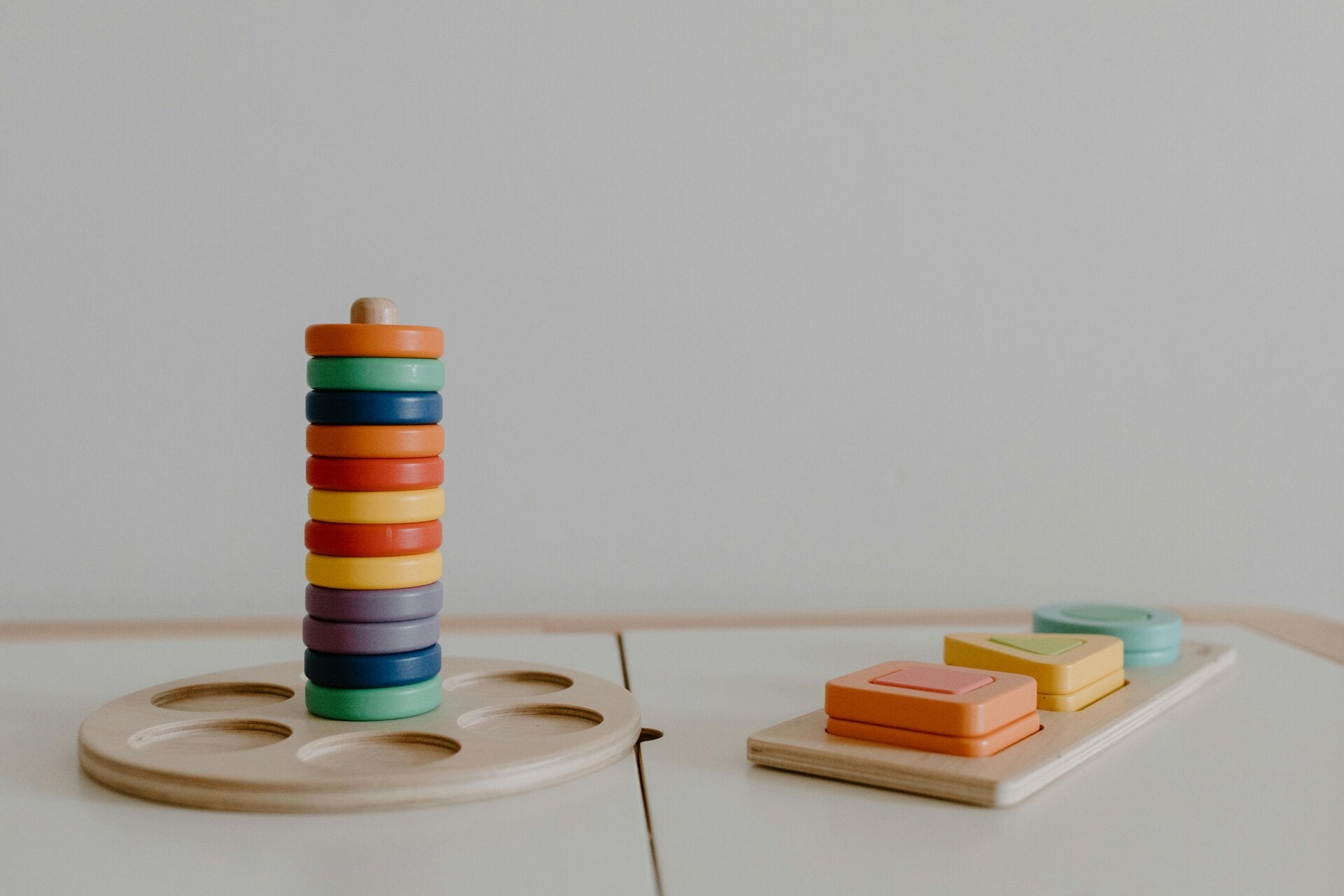
Dive into the lessons
Below, you will find eight clickable links, each leading to a dedicated page detailing specific lesson plans. These sections highlight various aspects of prekindergarten KDIs. Click on each link to explore the lesson plans. Or you can also click the drop-down from the ECE 1425 home page, and each section is listed there as well.
Approaches to Learning: Key Developmental Indicators
This section focuses on how children engage with learning, including their curiosity, independence, and problem-solving skills. Children learn to plan, make choices, and reflect on their experiences. These skills build a strong foundation for lifelong learning.
KDI:
1. Initiative: Children demonstrate initiative as they explore their world.
2. Planning: Children make plans and follow through on their intentions.
3. Engagement: Children focus on activities that interest them.
4. Problem solving: Children solve problems encountered in play.
5. Uses of resources: Children gather information and formulate ideas about their world.
6. Reflection: Children reflect on their experiences.
ALL MATERIALS:
- Wooden blocks
- Small figures
- Paper and crayons (for drawing plans)
- Puzzles
- Art supplies
- Manipulatives
- Blocks
- Toys that require sharing
Social and Emotional: Key Developmental Indicators
This section supports children in developing relationships, understanding their feelings, and building confidence. Children learn how to cooperate, resolve conflicts, and show empathy toward others. These skills help them succeed both in and out of the classroom.
KDI:
7. Self-Identity: Children have a positive self-identity.
8. Sense of competence: Children feel they are competent.
9. Emotions: Children recognize, label, and regulate their feelings.
10. Empathy: Children demonstrate empathy toward others.
11. Community: Children participate in the community of the classroom.
12. Building relationships: Children build relationships with other children and adults.
13. Cooperative play: Children engage in cooperative play.
14. Moral development: Children develop an internal sense of right and wrong.
15. Conflict resolution: Children resolve social conflicts.
ALL MATERIALS:
- Emotion picture cards (happy, sad, mad, excited)
- Mirror
- Books about feelings
- Blocks
- Dramatic play toys
- Shared art materials
- Name cards
- Ball or a soft toy for the passing game
- Books about friendship
Physical Development and Health: Key Developmental Indicators
This area promotes the development of both fine and gross motor skills, as well as healthy habits. Children strengthen coordination, balance, and body awareness through active play. The children also learn routines that support personal care and overall well-being.
KDI:
16. Gross-motor skills: Children demonstrate strength, flexibility, balance, and timing in using their large muscles.
17. Fine-motor skills: Children demonstrate dexterity and hand-eye coordination in using their small muscles.
18. Body awareness: Children know about their bodies and how to navigate them in space.
19. Personal care: Children carry out personal care routines on their own.
20. Healthy behavior: Children engage in healthy practices.
ALL MATERIALS:
- Cones
- Balls
- Hoops
- Outdoor play equipment
- Safety scissors
- Paper
- Crayons
- Beads and string
- Sink
- Soap
- Paper towels
- Visual handwashing chart
language, literacy, and Communication: Key Developmental Indicators
This section focuses on developing speaking, listening, reading, and early writing skills. Children expand their vocabulary, express ideas, and begin to understand print and sounds. These skills are essential for effective communication and lifelong success.
KDI:
21. Comprehension: Children understand language.
22. Speaking: Children express themselves using language.
23. Vocabulary: Children understand and use a variety of words and phrases.
24. Phonological awareness: Children identify distinct sounds in spoken language.
25. Alphabetic knowledge: Children identify letter names and their sounds.
26. Reading: Children read for pleasure and information.
27. Concepts about print. Children demonstrate knowledge about books.
28. Book knowledge: Children demonstrate knowledge about books.
29. Writing: Children write for many different purposes.
30. English language learning: (if applicable) Children use English and their home language (s) (including sign language)
ALL MATERIALS:
- Picture cards (people, places, objects)
- Storybooks
- Paper
- Markers/crayons
- Small props (optional)
- Rhyming picture cards
- Basket
- Books with rhyming words
-
Name cards
-
Magnetic or foam letters
Mathematics: Key Developmental Indicators
In this section, children explore numbers, shapes, patterns, and measurement through hands-on experiences. The children will learn to count, compare, and solve simple problems.
KDI:
31. Number words and symbols: Children recognize and use number words and symbols.
32. Counting: Children count things.
33. Part-whole relationships: Children combine and separate quantities of objects.
34. Shapes: Children identify, name, and describe shapes.
35. Spatial awareness: Children recognize spatial relationships among people and objects.
36. Measuring: Children measure to describe, compare, and order things.
37. Unit: Children understand and use the concept of unit.
38. Patterns: Children identify, describe, copy, complete, and create patterns.
39. Data analysis: Children use information about quantity to draw conclusions, make decisions, and solve problems.
ALL MATERIALS:
- Counting bears
- Small cups or bowls
- Number cards
- Colored blocks
- Beads
- Pattern strips
- Paper
- Sorting mats
- Baskets
-
Objects of different sizes (blocks, balls, toys)
Creative Arts: Key Developmental Indicators
This section encourages children to express themselves through art, music, movement, and dramatic play. Children explore their imagination and represent their ideas in a variety of creative ways. This supports self-expression, creativity, and confidence.
KDI:
40. Art: Children express and represent what they observe, think, imagine, and feel through two- and three-dimensional art.
41. Music: Children express themselves through singing, playing instruments, and responding to rhythm.
42. Movement: Children express and represent what they observe, think, imagine, and feel through movement.
43. Pretend Play: Children express and represent what they observe, think, imagine, and feel through pretend play.
44. Appreciating the Arts: Children appreciate the creative arts.
ALL MATERIALS:
- Paint (variety of colors)
- Large paper
- Paintbrushes
- Music player
- Different types of music (fast, slow, calm)
- Playdough
- Rolling pins
- Cookie cutters
- Plastic tools
- Natural items (leaves, sticks)
- Open space
- Pictures of animals
- Music (optional)
Science and Technology: Key Developmental Indicators
This section helps children explore the world through observation, experimentation, and discovery. The children learn to ask questions, test ideas, and understand how things in the world work. These experiences build critical thinking and curiosity about their environment.
KDI:
45. Observing: Children observe the materials and processes in their environment.
46. Classifying: Children classify materials, actions, people, and events.
47. Experimenting: Children experiment to test their ideas.
48. Predicting: Children predict what they expect will happen.
49. Drawing conclusions: Children draw conclusions based on their experiences and observations.
50. Communicating ideas: Children communicate their ideas about the characteristics of things and how they work.
51. Natural and physical world: Children gather knowledge about the natural and physical world.
52. Tools and technology: Children explore and use tools and technology.
ALL MATERIALS:
- Large buckets of water
- Different size and color rubber fruit counters
- Spoons
- Muffins tins
- Primary color paint (red, blue, yellow)
- Clear cups
- Paintbrushes
- White paper
- Smocks
- Child-safe scissors
- Magnifying glasses
- Scoops and tongs
- Measuring cups
- Paper
- Small objects (buttons, pom-poms, blocks)
Social Studies: Key Developmental Indicators
This section introduces the children to their community, relationships, and the world around them. Children learn about roles, diversity, and how people live and work together. These experiences will help the children develop a sense of belonging and understanding of others.
KDI:
53. Diversity: Children understand that people have diverse characteristics, interests, and abilities.
54. Community Roles: Children recognize that people have different roles and functions in the community.
55. Decision Making: Children participate in making classroom decisions.
56. Geography: Children recognize and interpret features and locations in their environment.
57. History: Children understand past, present, and future.
58. Ecology: Children understand the importance of taking care of their environment.
ALL MATERIALS:
- Dress-up clothes (doctor coat, firefighter hat, construction vest, etc.)
- Props (toy tools, stethoscope, clipboard)
- Pictures of community helpers
- Paper
- Crayons/markers
- Stapler
- Family photo (optional)
- Chart paper
- Markers
- Pictures showing classroom behaviors
Create Your Own Website With Webador